


Enhancing Cutting Precision with Diamond Grinding Tools

Updated: Feb 4
Understanding Diamond Grinding Tools and Their Applications
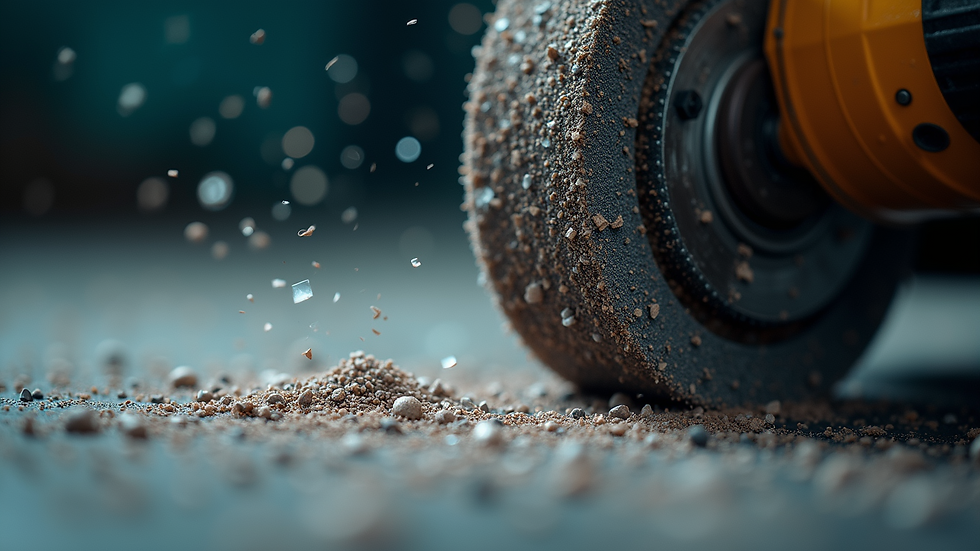
Diamond grinding tools consist of abrasive particles made from synthetic or natural diamonds bonded to a wheel or other tool body. The hardness of diamonds allows these tools to grind and cut through extremely tough materials such as concrete, stone, ceramics, and metals with minimal wear. This makes them indispensable in sectors where material hardness and precision are paramount.
Typical applications include:
Surface preparation and finishing in construction projects
Cutting and shaping hard rock in mining operations
Precision grinding of metal components in manufacturing
The versatility of diamond grinding tools allows them to be customized for specific tasks by varying the diamond grit size, bond type, and tool design. For example, a coarse grit size is suitable for rapid material removal, while a fine grit size is ideal for achieving smooth finishes.
Key Benefits of Using Diamond Grinding Tools
Diamond grinding tools offer several advantages over conventional abrasives such as aluminum oxide or silicon carbide. These benefits translate into improved productivity and cost savings for industrial operations.
Enhanced Cutting Precision: The sharpness and uniformity of diamond particles ensure consistent and accurate cuts. This reduces the need for rework and improves the quality of finished products.
Longer Tool Life: Diamonds are the hardest known material, which means diamond grinding tools maintain their cutting ability longer than traditional abrasives. This reduces downtime for tool changes.
Faster Material Removal: The aggressive cutting action of diamond abrasives allows for quicker grinding and cutting, speeding up project timelines.
Reduced Heat Generation: Diamond tools dissipate heat more effectively, minimizing thermal damage to the workpiece and extending tool life.
Versatility: Suitable for a wide range of materials, including reinforced concrete, granite, ceramics, and hardened steel.
By selecting the right diamond grinding tool for the job, operators can optimize cutting performance and reduce operational costs.
Selecting the Right Diamond Grinding Tools for Your Needs
Choosing the appropriate diamond grinding tool depends on several factors related to the material being processed and the desired outcome. Here are key considerations:
Material Hardness and Composition
Harder materials require diamond tools with higher diamond concentration and tougher bonds to withstand wear. Softer materials may benefit from tools with softer bonds to expose fresh diamonds quickly.
Grit Size
Coarse grit (30-50) for rapid stock removal
Medium grit (60-100) for general-purpose grinding
Bond Type
Resin bonds offer fast cutting and smooth finishes but wear faster
Metal bonds provide durability and are suited for heavy-duty grinding
Tool Shape and Size
The shape of the grinding tool (cup, blade, wheel) should match the application. For example, cup wheels are ideal for surface grinding, while blade wheels suit edge grinding.
Machine Compatibility
Ensure the tool fits the grinding machine specifications, including RPM limits and mounting type.
Consulting with suppliers or technical experts can help identify the best diamond grinding tool configuration for specific industrial tasks.

Practical Tips for Maximizing Diamond Grinding Tool Performance
To get the most out of diamond grinding tools, follow these operational best practices:
Use Proper Speeds and Feeds
Operating the tool at recommended speeds prevents overheating and premature wear. Adjust feed rates to balance cutting efficiency and surface finish.
Maintain Coolant Flow
Applying water or other coolants reduces heat buildup, prolongs tool life, and improves cut quality.
Regularly Inspect and Dress Tools
Dressing removes clogged abrasive particles and exposes fresh diamonds, maintaining cutting efficiency.
Avoid Excessive Pressure
Applying too much force can cause tool damage and uneven grinding. Let the tool do the work.
Store Tools Correctly
Protect diamond grinding tools from moisture and mechanical damage when not in use.
Implementing these practices helps maintain consistent cutting precision and extends the operational lifespan of diamond grinding tools.
Advancements in Diamond Grinding Technology
Recent innovations have enhanced the capabilities of diamond grinding tools, making them even more effective for industrial applications. Some notable developments include:
Improved Bonding Techniques
Advanced bonding materials and methods increase tool durability and diamond retention.
Segmented and Turbo Designs
These designs improve cutting speed and debris removal, especially in concrete and stone applications.
Customized Diamond Grits
Tailored grit sizes and shapes optimize performance for specific materials and finishes.
Integration with Automated Systems
Diamond grinding tools are increasingly used in CNC machines and robotic systems for precise, repeatable cuts.
These technological improvements align with the goal of companies like Hans Flexible Diamond Wire Saw Co., Ltd to provide advanced diamond wire cutting solutions that meet diverse industrial needs.
Final Thoughts on Enhancing Cutting Precision
Selecting and using the right diamond grinding tools significantly impacts the quality and efficiency of cutting operations in construction, mining, and manufacturing. By understanding the properties of diamond abrasives and applying best practices, industries can achieve superior precision, reduce costs, and improve overall productivity.
For those seeking reliable and advanced cutting solutions, exploring options such as the diamond grinding wheel offerings from specialized providers can be a strategic step. Continuous innovation in diamond grinding technology promises even greater performance and adaptability for future industrial challenges.
Conclusion
In conclusion, the importance of precision cutting cannot be overstated in today's industrial landscape. The use of diamond grinding tools is essential for achieving high-quality results. By understanding their applications and benefits, users can make informed decisions that enhance productivity and efficiency. As the industry evolves, staying updated on advancements in diamond grinding technology will be key to maintaining a competitive edge.


Comments