


Why Diamond Wire Saws Are Best for Glass: Cutting Efficiency Optimization

Glass is a challenging material to cut due to its brittleness and hardness. Selecting the right cutting tool is essential to achieve precision, minimize waste, and maintain safety. In my experience working with advanced cutting technologies, diamond wire saws stand out as the most effective solution for glass cutting. This post explores why diamond wire saws excel in this application, focusing on cutting efficiency optimization and practical considerations.
Understanding Cutting Efficiency Optimization in Glass Processing
Cutting efficiency optimization involves maximizing the speed and quality of cuts while minimizing tool wear and material damage. Glass requires a delicate balance because it is prone to cracking and chipping under mechanical stress. Traditional cutting methods, such as abrasive wheels or laser cutting, often fall short in terms of precision or cost-effectiveness.
Diamond wire saws optimize cutting efficiency by combining the hardness of diamond abrasives with the flexibility of wire technology. The wire continuously moves, allowing for smooth, controlled cuts with minimal heat generation. This reduces thermal stress on the glass, which is a common cause of fractures.
Key factors contributing to cutting efficiency optimization with diamond wire saws include:
Continuous cutting action: The wire moves in a loop, providing consistent abrasion.
Reduced kerf width: The thin wire creates narrow cuts, minimizing material loss.
Lower cutting forces: The abrasive action requires less pressure, reducing the risk of cracks.
Cooling and lubrication: Water or coolant flows along the wire, dissipating heat and removing debris.
These factors combine to deliver precise, clean cuts that preserve the integrity of the glass and improve overall productivity.

Advantages of Diamond Wire Saws Over Other Cutting Methods
When comparing diamond wire saws to other glass cutting tools, several advantages become clear:
Precision and Surface Quality
Diamond wire saws produce smooth surfaces with minimal micro-cracks. This reduces the need for secondary finishing processes, saving time and cost.
Versatility in Glass Types and Thicknesses
Whether cutting thin sheets or thick blocks of glass, diamond wire saws adapt well. The wire tension and speed can be adjusted to suit different materials and thicknesses.
Reduced Material Waste
The narrow kerf of the wire saw means less glass is lost during cutting. This is especially important for expensive or specialty glass types.
Lower Operational Costs
Although the initial investment in diamond wire saw equipment can be higher, the longevity of the wire and reduced downtime for maintenance lead to lower overall costs.
Environmentally Friendly Operation
The use of water as a coolant reduces dust and airborne particles, improving workplace safety and environmental compliance.
Ability to Cut Complex Shapes
The flexibility of the wire allows for intricate cuts and curves that are difficult to achieve with rigid blades.
These advantages make diamond wire saws a preferred choice in industries requiring high precision and efficiency in glass cutting.
Can you cut glass with a diamond saw?
Yes, cutting glass with a diamond saw is not only possible but highly effective. Diamond saws use industrial-grade diamond particles embedded in the cutting edge to abrade the glass surface. The hardness of diamond allows it to cut through glass cleanly without excessive force.
However, not all diamond saws are equally suited for glass. Traditional diamond blades may cause chipping or cracking if not used with proper cooling and feed rates. This is where diamond wire saws excel. The wire’s continuous motion and fine abrasive particles reduce mechanical stress on the glass.
When cutting glass with a diamond saw, consider the following:
Use adequate coolant: Water or specialized fluids prevent overheating.
Control feed rate: Slow, steady pressure avoids cracks.
Select appropriate wire diameter and diamond grit size: Finer grits produce smoother finishes.
Maintain wire tension: Proper tension ensures straight cuts and prevents wire breakage.
By following these guidelines, diamond saws, especially diamond wire saws, provide clean, precise cuts suitable for various glass applications.
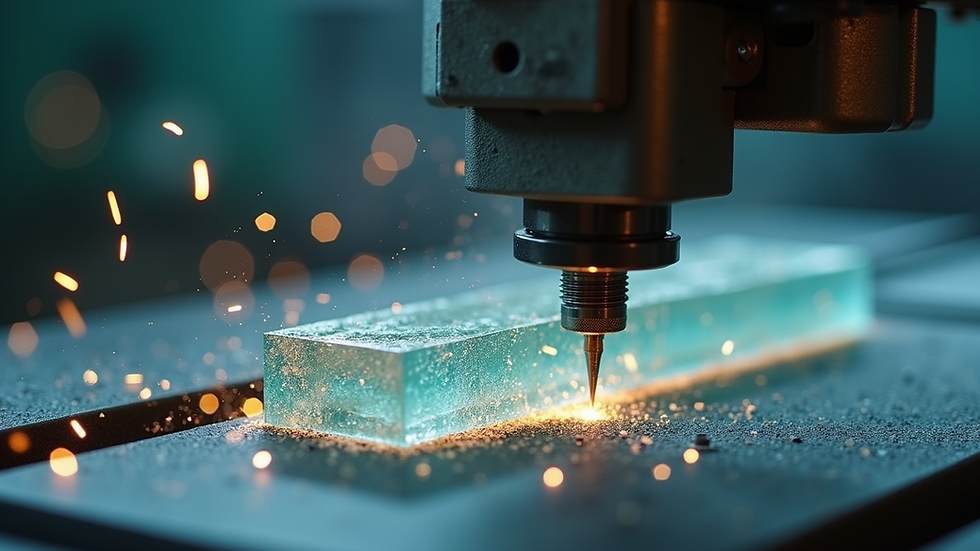
Practical Applications of Diamond Wire Saws in Glass Industries
Diamond wire saws find extensive use across multiple sectors that process glass. Here are some practical examples:
Optics Manufacturing
Ultra-thin glass lenses and optical components require precise slicing with minimal surface damage. Diamond wire saws deliver the necessary accuracy and surface quality.
Solar Panel Production
Cutting large glass sheets for photovoltaic cells demands high throughput and minimal breakage. Diamond wire saws optimize cutting speed while preserving material integrity.
Architectural Glass Fabrication
Complex shapes and thick glass panels used in buildings benefit from the flexibility and power of diamond wire saws.
Automotive Glass Processing
Windshields and specialty glass components require clean edges and consistent thickness, achievable with diamond wire cutting.
Advanced Materials Research
Laboratories working with brittle glass-ceramics or composite glass materials use diamond wire saws for sample preparation.
In each case, the ability to customize wire speed, tension, and abrasive grit size allows operators to tailor the cutting process to specific glass types and thicknesses.
Selecting the Right Diamond Wire Saw for Glass Cutting
Choosing the appropriate diamond wire saw system depends on several factors:
Wire Specifications
Diameter: Thinner wires produce finer cuts but may wear faster.
Diamond Grit Size: Finer grits for smooth finishes; coarser for faster cutting.
Wire Core Material: Steel cores provide strength; some wires use specialized alloys for flexibility.
Machine Capabilities
Motor Power: Higher power supports cutting thicker or harder glass.
Wire Speed Control: Variable speed allows optimization for different materials.
Tensioning System: Consistent tension prevents wire breakage and ensures straight cuts.
Cooling and Lubrication Systems
Efficient coolant delivery is critical to prevent overheating and extend wire life.
Automation and Control Features
Advanced machines offer programmable cutting paths and real-time monitoring for precision and repeatability.
Maintenance and Support
Easy access to replacement wires and technical support improves uptime.
For those seeking a reliable and efficient solution, a diamond wire saw for glass offers a balanced combination of these features, backed by technical expertise and innovation.
Enhancing Cutting Performance with Best Practices
To maximize the benefits of diamond wire saws in glass cutting, consider these actionable recommendations:
Regularly inspect wire condition to detect wear or damage early.
Maintain consistent coolant flow to avoid hotspots.
Optimize feed rates based on glass thickness and type.
Use vibration damping setups to reduce mechanical stress.
Train operators on machine settings and safety protocols.
Schedule preventive maintenance to ensure machine reliability.
Implementing these practices improves cutting quality, extends tool life, and reduces operational costs.
Diamond wire saws represent a sophisticated and efficient technology for glass cutting. Their unique combination of precision, flexibility, and durability addresses the challenges posed by glass materials. By focusing on cutting efficiency optimization and selecting the right equipment, industries can achieve superior results with reduced waste and downtime. As glass applications continue to evolve, diamond wire saws will remain a critical tool in advanced material processing.


Comments