


Using Glass Cutting Diamond Saws for Precision and Efficiency

Cutting glass requires precision, control, and the right tools. Among the various methods available, glass cutting diamond saws stand out for their ability to handle tough materials with accuracy and minimal waste. In this post, I explore the technology behind these saws, their applications, and practical tips for optimizing glass cutting processes.
Understanding Glass Cutting Diamond Saws
Glass cutting diamond saws use diamond-embedded blades or wires to slice through glass and other hard, brittle materials. Diamonds are the hardest known material, which makes them ideal for cutting applications where other tools would wear out quickly or cause damage.
These saws come in different forms:
Diamond wire saws: Thin wires coated with diamond grit, ideal for delicate or complex cuts.
Diamond blades: Circular saw blades with diamond segments, suitable for straight cuts.
Diamond cup wheels: Used for grinding and shaping glass edges.
The choice depends on the specific glass type, thickness, and desired cut quality. For example, ultra-thin glass used in electronics requires a different approach than thick architectural glass panels.
Diamond saws reduce chipping and cracking by applying consistent pressure and minimizing heat generation. This is crucial because glass is prone to thermal stress and mechanical damage during cutting.
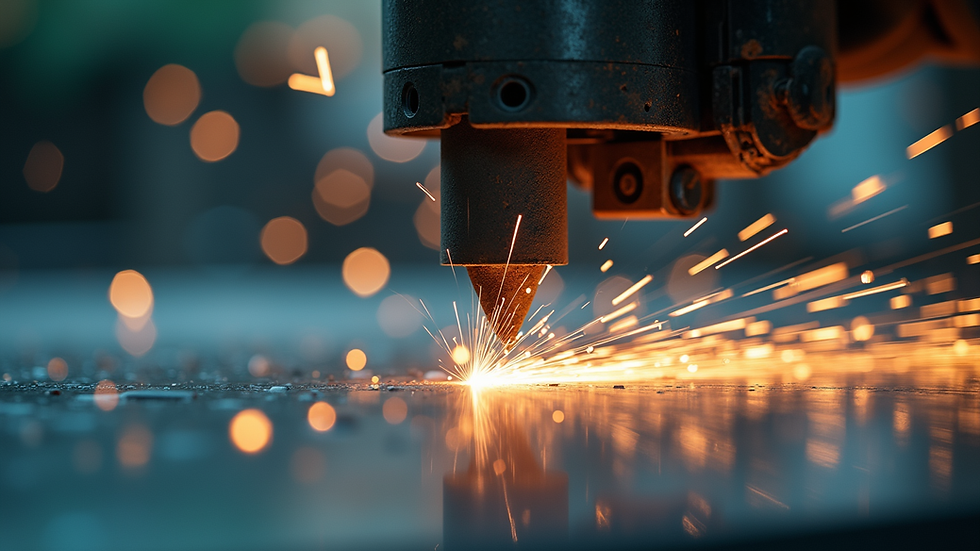
Advantages of Glass Cutting Diamond Saws
Using glass cutting diamond saws offers several benefits over traditional cutting methods such as scoring and snapping or abrasive cutting:
Precision: Diamond tools provide clean, accurate cuts with minimal kerf width.
Durability: Diamond coatings last longer, reducing tool replacement frequency.
Versatility: Suitable for various glass types, including tempered, laminated, and specialty glass.
Reduced waste: Cleaner cuts mean less material loss and fewer rejects.
Lower heat generation: Minimizes thermal damage and stress fractures.
Automation compatibility: Easily integrated into CNC and robotic cutting systems for high-volume production.
These advantages make diamond saws a preferred choice in industries requiring high-quality glass components, such as semiconductor manufacturing, optics, and advanced materials processing.
Can you cut glass with a diamond saw?
Yes, cutting glass with a diamond saw is not only possible but often preferred for industrial applications. Diamond saws are designed to handle the hardness and brittleness of glass without causing excessive damage.
When cutting glass with a diamond saw, several factors influence the outcome:
Cutting speed: Slower speeds reduce heat buildup and improve cut quality.
Water cooling: Using water or coolant prevents overheating and removes debris.
Blade or wire type: Selecting the appropriate diamond grit size and bonding material affects cutting efficiency.
Feed rate: Controlled feed rates prevent chipping and cracking.
For example, in semiconductor wafer slicing, ultra-thin diamond wire saws achieve precise cuts with minimal kerf loss. In architectural glass fabrication, diamond blades with segmented rims provide straight, clean edges.
Proper setup and maintenance of the saw are essential to maximize tool life and ensure consistent results.
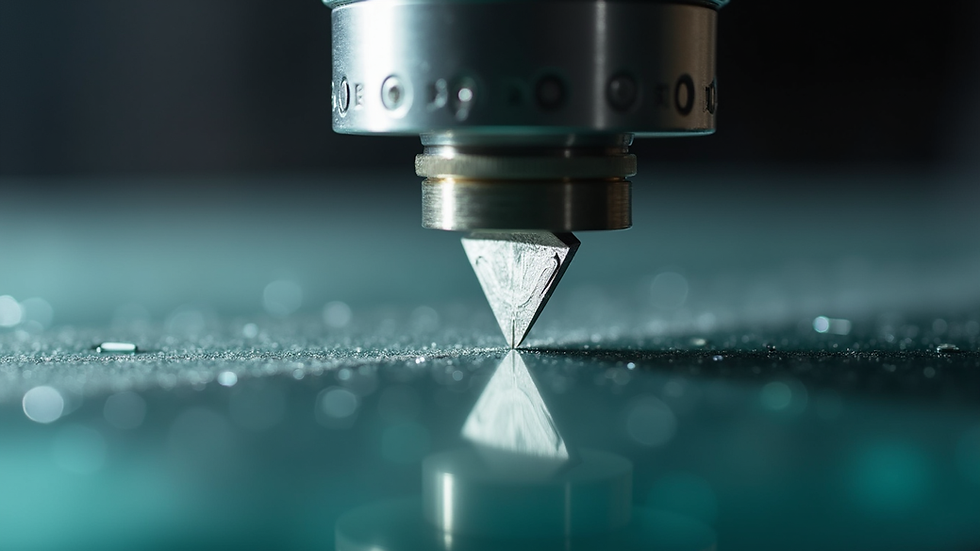
Practical Tips for Using Diamond Wire Saws in Glass Cutting
Incorporating a diamond wire saw for glass into your cutting process requires attention to detail and best practices:
Select the right wire diameter and diamond grit: Thinner wires with finer grit are better for delicate cuts, while thicker wires handle tougher materials.
Maintain proper tension: Correct wire tension prevents wire breakage and ensures straight cuts.
Use adequate cooling: Continuous water flow or coolant application reduces heat and prolongs wire life.
Optimize cutting parameters: Adjust speed and feed rate based on glass thickness and type.
Regularly inspect and replace worn wires: Worn wires reduce cutting quality and increase the risk of damage.
Ensure stable workpiece clamping: Secure glass panels to avoid vibrations and movement during cutting.
Train operators on safety and handling: Diamond wire saws operate at high speeds and require careful handling.
By following these guidelines, you can achieve high precision and efficiency in glass cutting operations.
Applications of Diamond Wire Saws in Glass and Related Industries
Diamond wire saws have broad applications across multiple sectors that require precise glass cutting:
Semiconductor and electronics manufacturing: Slicing wafers and glass substrates with minimal kerf loss.
Optics and advanced materials: Cutting lenses, prisms, and specialty glass components.
Construction and infrastructure: Fabricating architectural glass panels and decorative elements.
Automotive and aerospace: Producing glass parts with tight tolerances for windows and displays.
Glass fabrication workshops: Custom cutting and shaping of glass for various industrial uses.
The adaptability of diamond wire saws to different glass types and thicknesses makes them indispensable in these fields. Their ability to deliver clean cuts with minimal damage supports high-quality production standards.
Enhancing Glass Cutting with Advanced Diamond Saw Technologies
Recent innovations in diamond saw technology further improve glass cutting performance:
Ultra-thin diamond wires: Enable slicing of extremely thin glass without breakage.
Flexible wire saw systems: Allow complex shapes and contours to be cut with precision.
Improved bonding materials: Extend tool life and maintain cutting sharpness.
Automated wire tension control: Ensures consistent cutting conditions.
Integrated cooling systems: Optimize temperature control during cutting.
These advancements align with the goal of delivering high-performance diamond tools that meet evolving industry demands. Continuous innovation supports better productivity, reduced costs, and superior product quality.
Using glass cutting diamond saws effectively requires understanding the technology, selecting the right tools, and applying best practices. Whether working with thick architectural glass or ultra-thin semiconductor wafers, diamond saws provide the precision and durability needed for modern glass fabrication.
For those seeking reliable and advanced solutions, exploring options like the diamond wire saw for glass can be a valuable step toward optimizing cutting processes and achieving consistent results.


Comments