


Understanding the Cost Factors of Wire Saws: A Detailed Analysis

Diamond wire saws play a crucial role in various industries, including mining, construction, semiconductor manufacturing, and advanced materials processing. These tools enable precise cutting and slicing of hard materials such as stone, ceramics, metals, and silicon wafers. However, the cost of diamond wire saws can vary significantly depending on several factors. In this article, I will explore the key elements that impact the price of these specialized cutting tools, providing practical insights for professionals seeking to optimize their investment.
Key Cost Factors of Wire Saws
When evaluating the cost of diamond wire saws, it is essential to consider multiple aspects that influence pricing. These factors range from the raw materials used to the manufacturing process and the intended application. Below, I break down the primary cost drivers:
1. Quality and Type of Diamond Grit
The diamond grit embedded in the wire is the most critical component affecting cost. Higher-quality diamonds with uniform size and superior hardness increase the cutting efficiency and lifespan of the wire saw. Synthetic diamonds are commonly used due to their consistent properties and cost-effectiveness compared to natural diamonds.
Coarse grit is suitable for fast cutting but wears out quickly.
Fine grit offers smoother finishes and longer durability but costs more.
The choice depends on the material being cut and the precision required.
2. Wire Material and Construction
The wire itself is typically made from high-strength steel or other metal alloys designed to withstand tension and abrasion. The construction method, such as the number of strands twisted together and the coating applied, also affects durability and cost.
Multi-strand wires provide flexibility and strength.
Special coatings reduce friction and heat generation during cutting.
Investing in a well-constructed wire reduces downtime and replacement frequency, impacting overall operational costs.
3. Wire Length and Diameter
Longer wires allow for larger cutting circumferences, which is necessary for bigger workpieces. However, longer and thicker wires require more raw materials and complex manufacturing, increasing the price.
Thicker wires handle tougher materials but may reduce cutting speed.
Thinner wires offer precision but are more fragile.
Selecting the appropriate length and diameter balances cost with performance needs.
4. Manufacturing Technology and Precision
Advanced manufacturing techniques, such as laser welding of diamond segments or precision coating applications, enhance the wire saw's performance. These technologies require specialized equipment and skilled labor, contributing to higher costs.
Precision manufacturing ensures consistent diamond distribution.
Quality control reduces defects and improves reliability.
Companies investing in innovation often charge a premium for these benefits.
5. Application-Specific Customization
Diamond wire saws are often customized for specific industries or materials. For example, ultra-thin wires are essential in semiconductor wafer slicing, while robust wires are needed for stone quarrying.
Customization may include wire length, diamond grit size, and coating type.
Specialized designs improve cutting efficiency for particular materials.
Customization increases production complexity and cost but delivers better results.

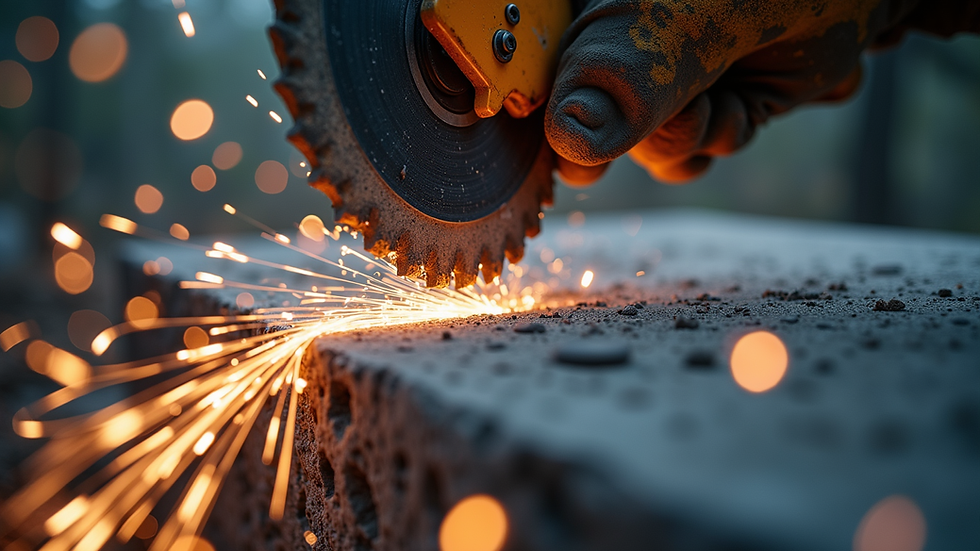
How much does a diamond blade cost?
Understanding the cost of diamond blades provides context for wire saw pricing, as both tools share similar materials and manufacturing processes. Diamond blades vary widely in price based on size, diamond quality, and intended use.
Small blades for light-duty cutting may cost between $50 and $200.
Large industrial blades designed for heavy materials can exceed $1,000.
The blade's lifespan and cutting speed also influence the overall cost-effectiveness. Comparing these factors helps in budgeting for diamond wire saws and related cutting tools.
Operational and Maintenance Costs
Beyond the initial purchase price, operational and maintenance expenses significantly impact the total cost of ownership for diamond wire saws.
1. Wire Replacement Frequency
The lifespan of a diamond wire depends on the material being cut and the operating conditions. Frequent replacements increase costs and downtime.
Harder materials wear the wire faster.
Proper tensioning and cooling extend wire life.
Monitoring wire condition and optimizing cutting parameters reduce replacement frequency.
2. Machine Compatibility and Efficiency
The wire saw must be compatible with the cutting machine to maximize efficiency. Machines with advanced tension control and cooling systems improve wire performance and reduce wear.
Upgrading machines may involve additional investment.
Efficient machines lower operational costs by reducing wire consumption.
Choosing the right combination of wire and machine is essential for cost management.
3. Labor and Training
Skilled operators are necessary to handle diamond wire saws effectively. Training costs and labor efficiency influence overall expenses.
Proper training minimizes wire breakage and material waste.
Experienced operators optimize cutting speed and quality.
Investing in workforce development supports long-term cost savings.

Environmental and Safety Considerations
Environmental factors and safety requirements also affect the cost structure of diamond wire saws.
Water or coolant usage is necessary to reduce heat and dust, adding to operational costs.
Compliance with safety standards may require additional protective equipment and procedures.
These factors should be included in the budgeting process to ensure safe and efficient operations.
Final Thoughts on Cost Management
Managing the cost of diamond wire saws involves a comprehensive understanding of the factors outlined above. By selecting the appropriate diamond grit, wire construction, and customization level, companies can optimize their investment. Additionally, focusing on operational efficiency, maintenance practices, and safety compliance contributes to reducing the total cost of ownership.
For those interested in detailed pricing and options, exploring diamond wire saws cost can provide valuable market insights and help in making informed purchasing decisions.
By balancing quality, performance, and cost, businesses can achieve reliable cutting solutions that meet their specific industrial needs.


Comments