


Optimize Cutting Efficiency with Industrial Cutting Wire

In industries where precision and durability are paramount, the choice of cutting tools directly impacts productivity and quality. Industrial cutting wire plays a crucial role in sectors such as mining, construction, semiconductor manufacturing, and advanced materials processing. Selecting the right wire and understanding its applications can significantly optimize cutting efficiency. In this article, I explore the key aspects of industrial cutting wire, its benefits, and practical recommendations for maximizing performance.
Understanding Industrial Cutting Wire and Its Applications
Industrial cutting wire refers to specialized wire products designed for cutting, slicing, or sawing hard materials. These wires often incorporate diamond or other superhard materials to enhance cutting ability and wear resistance. The applications span a wide range of industries:
Mining and Geological Exploration: Diamond core drilling machines use diamond wire to cut through rock and mineral formations efficiently.
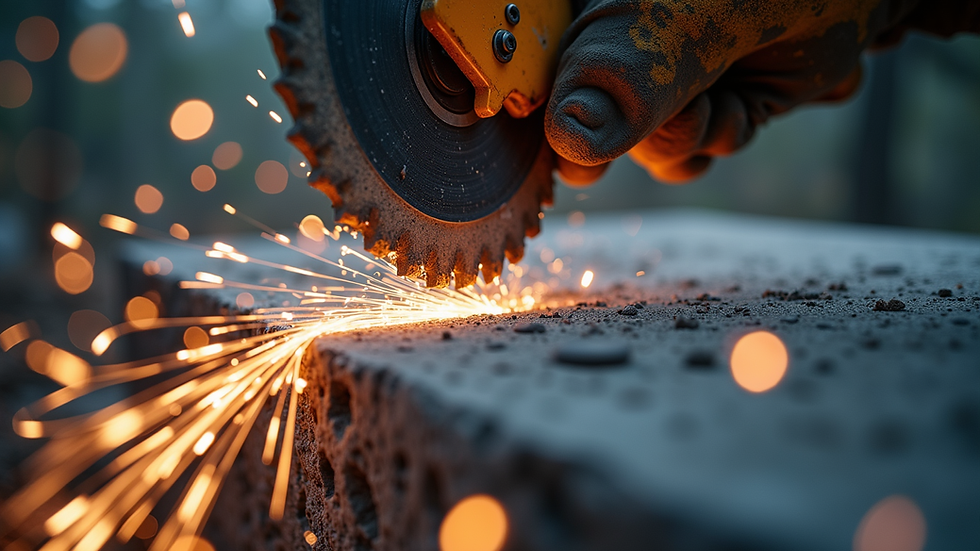
Construction and Infrastructure: Diamond saw blades and wire saws enable precise cutting of concrete, stone, and other building materials.
Semiconductor and Electronics Manufacturing: Ultra-thin diamond wire saws are essential for slicing silicon wafers and other delicate components.
Advanced Materials Processing: Flexible diamond wire saw systems handle brittle ceramics and optics with minimal damage.
Metalworking and Aerospace: High-precision diamond wire tools assist in machining hard metals and composites.
The versatility of industrial cutting wire lies in its ability to adapt to different cutting environments while maintaining accuracy and speed. Choosing the right wire type and configuration depends on the material properties, cutting speed requirements, and machine compatibility.

Key Features of Industrial Cutting Wire
Industrial cutting wire combines several technical features to deliver optimal performance:
Diamond Coating: The wire is embedded or coated with diamond particles, which provide exceptional hardness and cutting ability.
Wire Diameter and Flexibility: Ultra-thin wires allow for precise cuts with minimal kerf loss, while thicker wires offer durability for tougher materials.
Tensile Strength: High tensile strength ensures the wire withstands the mechanical stresses during cutting without breaking.
Wire Configuration: Open-end or closed-loop wire designs suit different cutting machines and applications.
Cooling and Lubrication Compatibility: Proper cooling systems prevent overheating and extend wire life.
These features collectively influence cutting speed, surface finish, and tool longevity. For example, ultra-thin diamond wire saws used in semiconductor manufacturing enable slicing wafers with micron-level precision, reducing material waste.
What do electricians use to cut wire?
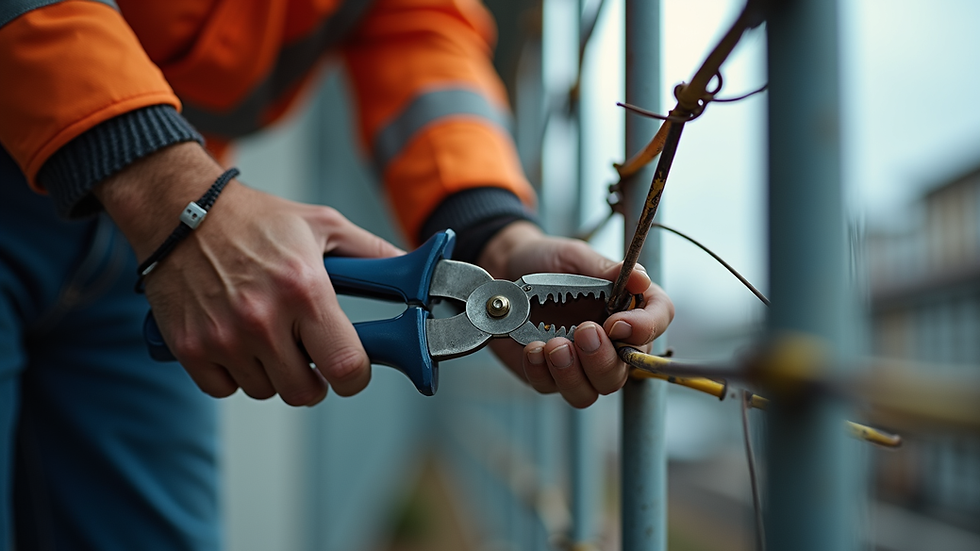
Electricians typically use hand tools designed for cutting electrical wires safely and efficiently. The most common tools include:
Wire Cutters (Diagonal Pliers): These are the standard tool for cutting copper, aluminum, and other electrical wires. They provide clean cuts and are easy to handle.
Cable Cutters: For thicker cables, electricians use cable cutters with stronger jaws and longer handles to apply more force.
Utility Knives: Sometimes used to strip insulation before cutting or connecting wires.
Wire Strippers: While primarily for removing insulation, some wire strippers also have cutting edges for small gauge wires.
These tools differ significantly from industrial cutting wire solutions used in heavy-duty applications. Electricians focus on portability and safety, while industrial cutting wires emphasize precision and durability for cutting hard materials.
Practical Tips for Optimizing Cutting Efficiency with Wire
To maximize cutting efficiency when using industrial cutting wire, consider the following recommendations:
Select the Appropriate Wire Type
Match the wire diameter, diamond grit size, and configuration to the material and cutting machine. For example, use ultra-thin diamond wire for semiconductor wafers and thicker diamond wire for stone cutting.
Maintain Proper Tension and Speed
Adjust wire tension to prevent breakage while ensuring effective cutting force. Optimize cutting speed based on material hardness and wire specifications to avoid overheating or excessive wear.
Implement Effective Cooling Systems
Use water or specialized coolants to reduce friction and heat generation. Proper cooling extends wire life and improves cut quality.
Regularly Inspect and Replace Wire
Monitor wire condition for signs of wear, such as diamond particle loss or wire fraying. Replace worn wire promptly to maintain cutting precision and avoid machine damage.
Train Operators on Best Practices
Skilled operators understand how to adjust machine settings and handle wire changes efficiently. Training reduces downtime and improves overall productivity.
Use Compatible Accessories and Machines
Ensure that wire saw machines and accessories are compatible with the selected wire type. This compatibility prevents mechanical issues and enhances cutting performance.
By following these steps, companies can reduce operational costs, improve cut quality, and extend the lifespan of their cutting tools.
Innovations Driving Industrial Cutting Wire Performance
Recent advancements in materials science and manufacturing technology have led to significant improvements in industrial cutting wire:
Enhanced Diamond Coatings: New coating techniques increase diamond particle adhesion, improving wire durability.
Composite Wire Materials: Combining metals and synthetic fibers enhances tensile strength and flexibility.
Precision Wire Saw Machines: Automated tension control and cutting speed adjustments optimize wire performance in real-time.
Environmentally Friendly Coolants: Development of biodegradable and non-toxic coolants supports sustainable operations.
These innovations align with the goal of delivering high-performance cutting tools that meet the evolving demands of industries such as mining, semiconductor manufacturing, and aerospace machining.
Leveraging Cutting Wire Solutions for Competitive Advantage
Integrating advanced cutting wire solutions into your operations can provide measurable benefits:
Increased Throughput: Faster cutting speeds reduce cycle times and increase production capacity.
Improved Precision: High-quality wire and machines produce cleaner cuts with minimal material loss.
Lower Maintenance Costs: Durable wires and proper cooling reduce tool replacement frequency.
Versatility: Ability to cut a wide range of materials supports diverse project requirements.
Technical Support: Access to expert guidance ensures optimal wire selection and machine setup.
For companies aiming to lead in their respective fields, investing in reliable cutting wire technology and support services is essential. This approach helps maintain a competitive edge through consistent quality and operational efficiency.
By understanding the characteristics and applications of industrial cutting wire, and by implementing best practices, I have seen firsthand how cutting efficiency can be significantly enhanced. Whether working with diamond wire saws in semiconductor fabrication or diamond core drilling in mining, the right wire solution makes a substantial difference. Continuous innovation and technical support further empower industries to meet their precision cutting challenges effectively.


Comments