


Industrial Wire Cutting Tips: Selecting the Right Cutting Wire Solutions

Selecting the right cutting wire is a critical decision in many industrial applications. Whether you work in mining, construction, semiconductor manufacturing, or precision machining, the choice of wire impacts efficiency, accuracy, and tool longevity. In this post, I will share practical insights and technical considerations to help you make informed decisions about cutting wire solutions.
Understanding Industrial Wire Cutting Tips
Industrial wire cutting involves slicing through hard materials such as stone, metal, ceramics, and semiconductors. The wire used must withstand high tension, abrasion, and heat while maintaining precision. Here are some key factors to consider:
Material Compatibility: Different wires suit different materials. For example, diamond-coated wires excel in cutting hard stone and ceramics, while PCBN (polycrystalline cubic boron nitride) wires are better for metals.
Wire Diameter and Thickness: Thinner wires provide finer cuts but may wear out faster. Thicker wires offer durability but can reduce cutting precision.
Tensile Strength: The wire must endure the mechanical stresses during cutting without snapping.
Coating and Abrasive Type: Diamond coatings are common for their hardness and cutting efficiency. The quality and size of diamond grit affect cutting speed and surface finish.
Selecting the right wire depends on balancing these factors according to your specific application needs.
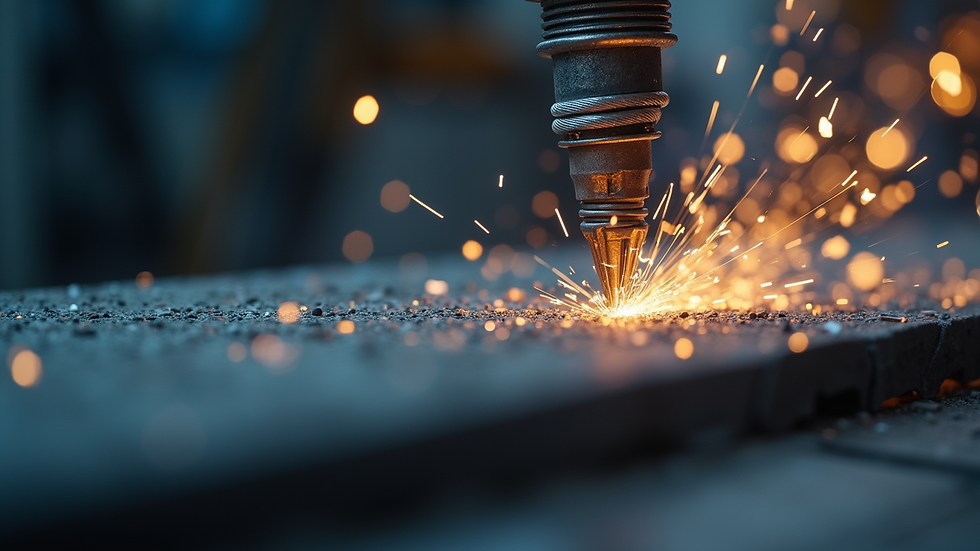
Industrial Wire Cutting Tips for Optimal Performance
To maximize the performance of your wire cutting operations, consider these practical tips:
Match Wire Type to Material
Use diamond wire for brittle materials like ceramics and stone. For metals, especially hard alloys, PCBN or PDC cutters integrated into wire systems offer better results.
Maintain Proper Tension
Over-tensioning can cause wire breakage, while under-tensioning reduces cutting accuracy. Use tension control systems to keep the wire at optimal stress levels.
Optimize Cutting Speed
Adjust the wire speed based on material hardness and thickness. Faster speeds increase productivity but may reduce wire life.
Regularly Inspect and Replace Wire
Monitor wire wear and replace it before it degrades cutting quality or risks breaking.
Use Cooling and Lubrication
Applying coolant reduces heat buildup, preventing wire damage and improving cut quality.
Ensure Proper Machine Setup
Align wire guides and pulleys precisely to avoid wire deviation and uneven wear.
These tips help extend wire life, improve cut quality, and reduce downtime.
What to Use Instead of a Wire Cutter?
In some cases, a traditional wire cutter may not be the best tool for cutting wire, especially when dealing with high-tension or abrasive wires. Alternatives include:
Diamond Wire Saw Machines
These machines use continuous diamond-coated wire loops to cut through hard materials with precision and minimal waste.
Hydraulic Wire Cutters
Suitable for thick or high-strength wires, hydraulic cutters provide powerful, clean cuts without fraying.
Pneumatic Wire Cutters
These offer fast, repetitive cutting action ideal for production environments.
Manual Wire Cutters with Tungsten Carbide Jaws
For smaller diameter wires, manual cutters with hardened jaws can provide clean cuts without damaging the wire.
Choosing the right cutting tool depends on wire type, diameter, and application requirements. Using the wrong cutter can damage the wire or compromise safety.
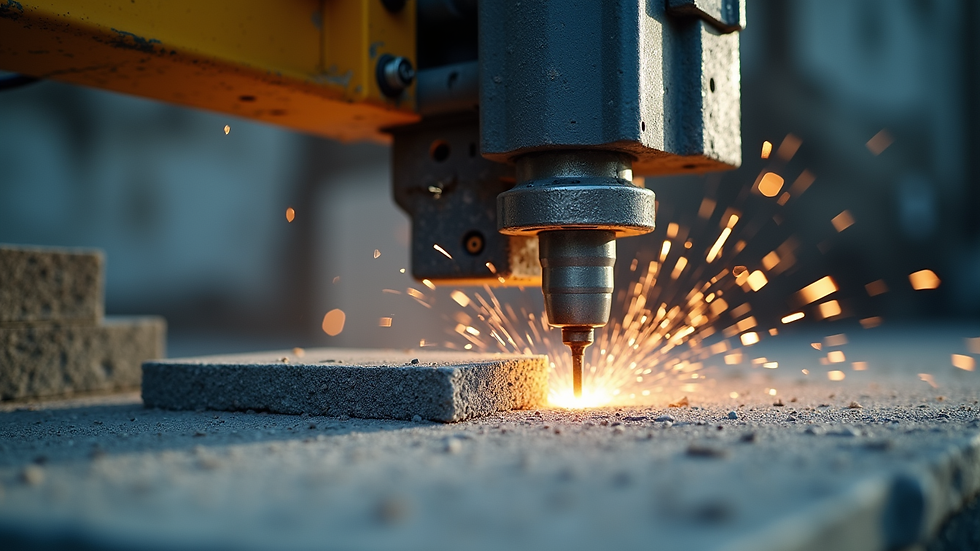
Factors Influencing Wire Selection in Different Industries
Each industry has unique demands that influence wire choice:
Mining and Geological Exploration
Diamond core drill bits and diamond wire saws are essential for extracting core samples and cutting rock. Wire durability and cutting speed are critical.
Construction and Infrastructure
Diamond cup wheels and saw blades paired with diamond wire saws enable efficient cutting of concrete and stone.
Semiconductor and Electronics Manufacturing
Ultra-thin diamond wire and high-precision diamond blades allow for delicate slicing of wafers and brittle materials without damage.
Optics and Advanced Materials Processing
Flexible diamond wire saw systems provide precision slicing of ceramics and glass, minimizing micro-cracks.
Metalworking and Aerospace
PCBN composite inserts and PDC cutters integrated into wire systems offer high precision and wear resistance for hard metals.
Glass, Stone, and Hard-Material Fabrication
Open-end diamond wire and diamond saw blades provide clean cuts with minimal chipping.
Industrial Distributors and Supply Partners
A comprehensive line of diamond tools and wire saws backed by technical support ensures reliable supply and application success.
Understanding these industry-specific needs helps in selecting the most effective wire and cutting system.
Practical Recommendations for Wire Maintenance and Handling
Proper maintenance and handling extend wire life and improve safety:
Store Wire Properly
Keep wire coils in a dry, clean environment to prevent corrosion and contamination.
Handle with Care
Avoid kinks and sharp bends that weaken the wire structure.
Clean Wire After Use
Remove debris and abrasive residues to prevent premature wear.
Train Operators
Ensure personnel understand wire tensioning, cutting parameters, and safety protocols.
Use Compatible Accessories
Employ wire guides, pulleys, and tensioners designed for the specific wire type.
Implementing these practices reduces operational costs and enhances cutting consistency.
Final Thoughts on Selecting Cutting Wire Solutions
Choosing the right cutting wire solutions requires a clear understanding of material properties, wire characteristics, and application demands. By applying industrial wire cutting tips and maintaining proper handling, you can achieve precise cuts, extend tool life, and optimize productivity across various sectors. Continuous innovation in wire technology and machine design further supports these goals, making it essential to stay informed about the latest developments in diamond and superhard-material cutting tools.


Comments